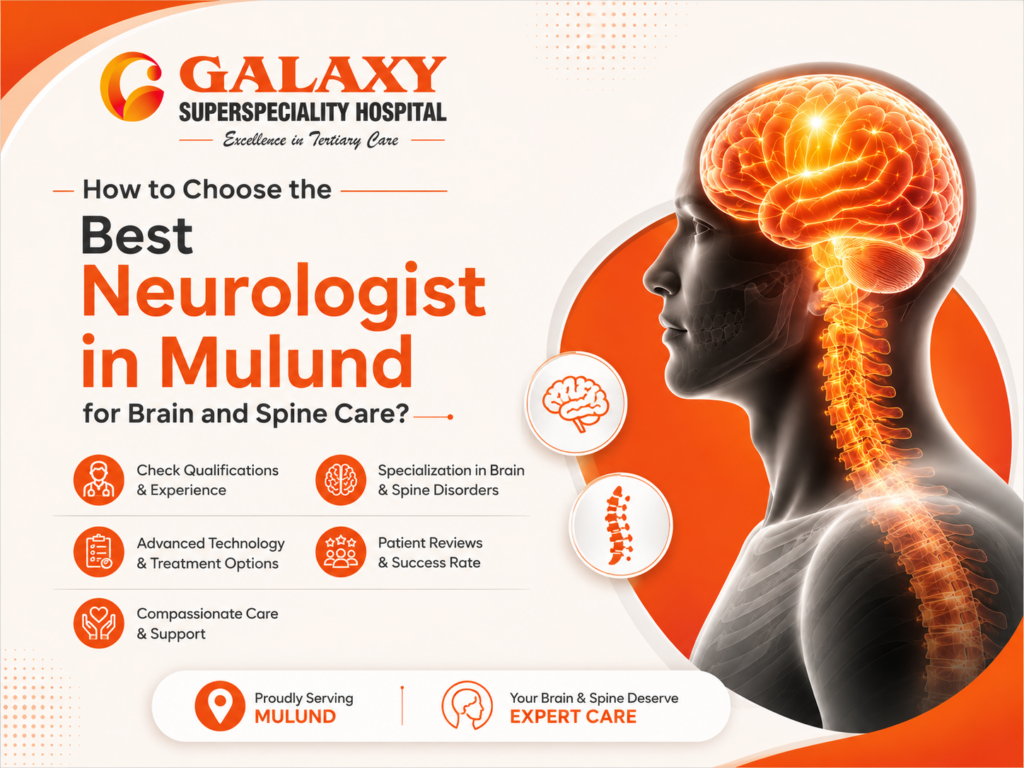
Finding the right specialist for brain and spine health is an important step toward receiving appropriate medical care. Problems affecting the nervous system can sometimes appear as headaches, weakness, numbness, balance issues, or changes in movement and memory. Since different conditions can cause similar symptoms, getting an expert evaluation can help identify the right direction for treatment.
If you are searching for the Best Neurologist in Mulund, do not consider location alone. A doctor’s qualifications, clinical experience, area of expertise, diagnostic methods, and approach toward patient care are all important factors to consider.
Understand Your Symptoms and Health Concerns
Before selecting a specialist, think about the symptoms you are experiencing and how they affect your daily life. Common concerns that may require specialist attention include:
- Frequent headaches
- Numbness or tingling sensations
- Weakness in the arms or legs
- Problems with balance or coordination
- Memory or concentration changes
- Seizures or unusual movements
- Ongoing neck or back pain
- Pain spreading from the spine into the limbs
The cause of these symptoms can vary from person to person. A Brain Specialist in Mulund can assess concerns associated with the brain and nervous system, while spine-related symptoms may require evaluation by a specialist with relevant expertise.
Review Qualifications and Medical Experience
A doctor’s education, professional qualifications, and clinical experience are important when making your choice. You may also want to learn about the conditions the specialist commonly evaluates and treats.
Experience in managing different Neurological disorders can be useful, particularly when symptoms are persistent, complex, or difficult to identify. A specialist with relevant experience can assess your condition carefully and help you understand the next steps in your care.
Consider Expertise in Brain and Spine Care
The brain, spinal cord, and nerves work together as part of the nervous system. Some symptoms may be related to the brain, while others may originate from the spinal cord, nerves, discs, or other structures.
For patients experiencing spine-related symptoms, a Spine Specialist in Mulund can evaluate problems involving the spine and associated nerves. Depending on the cause and severity, treatment may include medication, rehabilitation, minimally invasive procedures, or surgery.
Ask How Your Condition Will Be Diagnosed
Understanding the diagnostic process can help you feel more prepared for your consultation. Ask the specialist how your symptoms will be assessed and whether you may need imaging or other investigations.
A thorough neurological evaluation may involve discussing your medical history, reviewing your symptoms, and checking aspects such as muscle strength, reflexes, coordination, and sensation. Additional tests may be suggested when they are needed to understand the underlying problem.
Why Choose Dr. Nilesh Potdar for Personalized Brain and Spine Care?
Dr. Nilesh Potdar focuses on understanding each patient’s symptoms, medical history, and individual healthcare needs before recommending a suitable treatment approach. With expertise in brain and spine conditions, he helps patients understand their condition and available treatment options. A personalised approach allows patients to receive guidance based on their specific concerns, diagnosis, and overall health, supporting informed decisions throughout their treatment journey.
Understand the Treatment Options
Treatment is usually selected according to the underlying condition, symptoms, and overall health of the patient. Depending on the diagnosis, a specialist may recommend:
- Medication and medical management
- Physiotherapy or rehabilitation
- Lifestyle changes
- Pain management
- Minimally invasive procedures
- Endoscopic spine procedures
- Surgical treatment when required
Before beginning treatment, patients should ask about the expected benefits, recovery period, possible risks, and alternative options. Having a clear understanding of the recommended approach can help you participate more confidently in healthcare decisions.
Check Experience With Advanced Procedures
Certain conditions may require specialised procedures when other treatment approaches do not provide sufficient relief. Depending on the individual diagnosis, advanced techniques may be considered.
These can include endoscopic spine surgery, minimally invasive spine surgery, radiosurgery, and other specialized treatments. Experience with spinal disorders and advanced procedures can be an important consideration for patients who may require complex care.
Consider Communication and Follow-Up Care
Medical expertise is important, but clear communication also plays a valuable role in the treatment experience. Choose a specialist who listens to your concerns, explains your condition clearly, and allows you to ask questions.
Patients looking for a Spine Specialist in Mulund should also consider the overall care experience, including consultation accessibility and follow-up guidance. Ongoing support can help patients better understand their progress and treatment journey.
Know When You Should Seek Specialist Advice
Certain symptoms may require professional evaluation, particularly when they continue or become worse. Persistent headaches, unexplained weakness, numbness, seizures, balance problems, and ongoing neck or back pain should not be ignored.
Sudden symptoms such as severe weakness, difficulty speaking, confusion, or a sudden loss of coordination may require urgent medical attention.
For ongoing concerns, consulting the Best Neurologist in Mulund can help determine whether further evaluation, diagnostic testing, or specialised treatment may be appropriate.
Final Thoughts
Choosing the right specialist for brain and spine care involves considering qualifications, experience, diagnostic expertise, and a personalised approach to treatment. If you are looking for the Best Neurologist in Mulund, Dr. Nilesh Potdar can help patients understand their condition and explore suitable treatment options based on their individual needs. Taking time to discuss your symptoms and understand your care options can help you make informed decisions and take a positive step toward better brain and spine health.
Frequently Asked Questions
1. When should I see a neurologist?
Consult a neurologist for persistent headaches, dizziness, numbness, weakness, seizures, memory issues, or other ongoing neurological symptoms.
2. How do I choose the right neurologist?
Check the doctor’s qualifications, experience, specialisation, treatment approach, and patient reviews before choosing a specialist.
3. What does a neurologist treat?
Neurologists diagnose and manage conditions affecting the brain, spinal cord, nerves, and muscles, depending on their area of expertise.
4. When should I see a spine specialist?
Consider a spine specialist for persistent back or neck pain, slipped discs, nerve compression, spinal injuries, or symptoms that travel into the arms or legs.
5. What happens during a neurological consultation?
The doctor reviews your symptoms and medical history, performs an examination, and may recommend tests or scans to identify the cause of your symptoms.