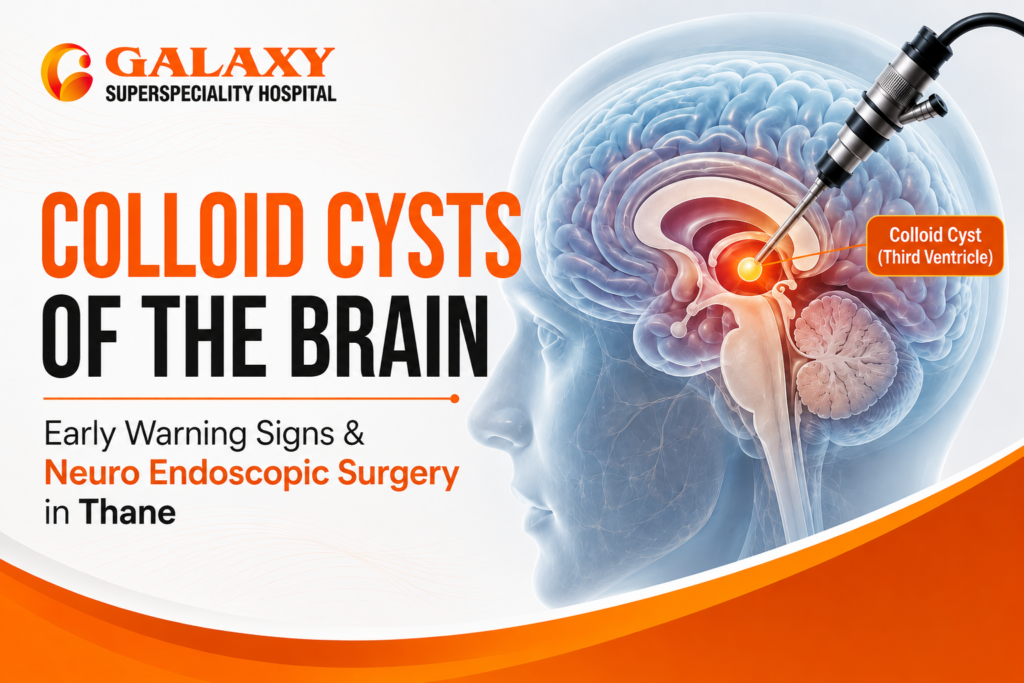
Headaches, dizziness, or occasional forgetfulness are common complaints that are often linked to stress or fatigue. However, when these symptoms recur or worsen, they may indicate an underlying neurological condition. One such condition is a colloid cyst, a rare, non-cancerous growth that develops within the brain’s third ventricle. Even though these cysts are benign, they can interfere with the normal circulation of cerebrospinal fluid (CSF), leading to increased pressure inside the brain.
With advances in Neuro Endoscopic Surgery in Thane, many colloid cysts can now be treated using minimally invasive techniques that offer greater precision and a smoother recovery compared to conventional surgical methods.
Understanding Colloid Cysts
A colloid cyst is a fluid-filled sac that usually develops in the third ventricle, an area responsible for the normal movement of cerebrospinal fluid around the brain. As the cyst enlarges, it may partially or completely block this fluid pathway, causing pressure to build inside the skull.
Some people may live with a colloid cyst for years without symptoms, while others experience noticeable neurological problems that require prompt Brain Cyst Treatment in Thane. Early evaluation helps determine whether regular monitoring or active treatment is the best approach.
Early Warning Signs to Watch For
The symptoms of a colloid cyst vary depending on its size and whether it blocks the normal flow of cerebrospinal fluid. As pressure inside the brain increases, symptoms often become more noticeable.
Common signs include:
- Frequent or severe headaches
- Nausea or vomiting
- Blurred or double vision
- Loss of balance or dizziness
- Difficulty remembering things
- Poor concentration
- Episodes of confusion
- Excessive drowsiness
- In severe cases, fainting or sudden loss of consciousness
Ignoring these symptoms can delay diagnosis, making a timely medical evaluation extremely important.
How Is a Colloid Cyst Diagnosed?
When a colloid cyst is suspected, a neurosurgeon performs a detailed clinical assessment and recommends imaging studies such as an MRI or CT scan. These tests clearly show the cyst’s location, size, and its effect on nearby brain structures.
Based on these findings, the specialist determines whether regular observation is sufficient or whether Colloid Cyst Surgery is required to restore normal cerebrospinal fluid flow.
How Neuro Endoscopic Surgery Helps
Over the years, brain surgery has become significantly less invasive. Today, Neuro Endoscopic Surgery in Thane enables surgeons to reach deep areas of the brain through a much smaller opening.
A thin endoscope fitted with a high-definition camera provides excellent visualization during the procedure, allowing the surgeon to remove or treat the cyst with exceptional accuracy while preserving healthy brain tissue.
This advanced Endoscopic Brain Surgery technique is especially beneficial for carefully selected patients because it reduces surgical trauma while maintaining excellent treatment outcomes.
Benefits of Minimally Invasive Treatment
Modern neurosurgical techniques are designed to improve patient safety while reducing recovery time.
Some important advantages include:
- Small surgical incision
- Better visualization during surgery
- Minimal disruption to healthy brain tissue
- Reduced blood loss
- Lower risk of postoperative discomfort
- Shorter hospital stay
- Faster return to normal activities
- Improved overall recovery experience
Because of these benefits, Minimally Invasive Neurosurgery has become an important advancement in treating selected brain conditions.
Why Choose Galaxy Superspeciality Hospital in Thane for Neuro Endoscopic Surgery?
Choosing the right hospital is an important part of successful treatment for brain conditions like colloid cysts. Galaxy Superspeciality Hospital in Thane provides advanced diagnostic facilities, experienced neurosurgeons, and modern neuro endoscopic technology to ensure accurate diagnosis and effective treatment. The hospital emphasizes personalized care, guiding patients through every stage of treatment from consultation to recovery.
Why patients choose Galaxy Superspeciality Hospital:
- Experienced neurosurgeons trained in advanced neuro endoscopic procedures
- Modern diagnostic and imaging technology
- Advanced neuro endoscopic surgical equipment
- Personalized treatment plans for every patient
- Minimally invasive procedures whenever suitable
- Dedicated postoperative care and follow-up
- Focus on patient safety and long-term neurological health
When Is Surgery Necessary?
Not every colloid cyst requires immediate removal. Small cysts that do not cause symptoms are often monitored through periodic imaging. However, surgery may be advised if the cyst begins affecting normal brain function.
Surgery is generally considered when:
- Headaches become frequent or severe
- Cerebrospinal fluid flow is obstructed
- Hydrocephalus develops
- Neurological symptoms worsen
- Imaging shows continued cyst growth
Receiving timely Brain Cyst Treatment can help prevent serious neurological complications and improve long-term outcomes.
Recovery After Surgery
Recovery depends on the patient’s overall health and the complexity of the procedure. Since neuro endoscopic techniques require only a small opening, many patients recover more comfortably than with conventional open brain surgery.
After surgery, regular follow-up appointments and imaging studies help ensure proper healing and normal cerebrospinal fluid circulation. Following the surgeon’s instructions regarding medications and activity restrictions also supports a smooth recovery.
Why Early Diagnosis Makes a Difference
Many people overlook persistent headaches or dizziness because these symptoms are often associated with everyday stress. However, when neurological symptoms continue or worsen, they should not be ignored.
Early medical evaluation allows specialists to diagnose conditions such as colloid cysts before complications develop. Timely treatment helps preserve brain function and improves the chances of a successful recovery.
Final Thought
Although colloid cysts are uncommon, they can become serious if they interfere with the normal flow of cerebrospinal fluid. Recognizing the warning signs and seeking medical evaluation at the right time can help prevent complications. If you or someone close to you is experiencing persistent neurological symptoms, consider consulting the specialists at Galaxy Superspeciality Hospital to learn about suitable treatment options and receive expert care for better neurological health.